

Printable Invitations & Cards: Which File Type Is Best? | Inkberry Creative
Posted by Jenn Scholes on
Which file type should you use for printable invitations or cards? It depends on whether you're printing at home, using a photo lab or copy shop, or sharing digitally. Here's a quick guide.
Most of our invitations are offered as DIY instant-download printable files, editable in either a Canva template or an Adobe PDF, depending on the design. Canva includes built-in options to order prints or download your finished design as a digital file. If you're printing elsewhere, check the file type and size your printer requests before downloading or exporting.
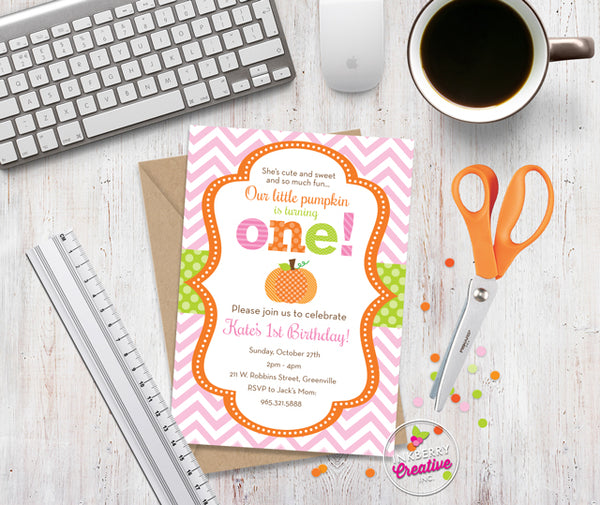
Choose a file for your printing method
- Local photo lab: Use a 5 × 7 or 4 × 6 JPEG for photo prints.
- Copy shop: For two invitations on one letter-size sheet, use an 8.5 × 11 PDF with two designs per page. Ask the shop about cardstock and trimming.
- Online photo printer: A JPEG is usually the right choice for photo prints or printed cards; check the provider's upload specifications.
- Print at home: Use a two-per-page 8.5 × 11 PDF for full sheets of cardstock, or a single-design JPEG or PDF for precut paper.
- Share by text, email, or online: Download a digital image file, such as a JPEG, in the size your chosen service accepts.
Paper and envelopes
For home printing, choose sturdy cardstock or photo paper compatible with your inkjet or laser printer. A local copy shop can show you its cardstock options. Matte or glossy photo paper is a matter of preference. If you're printing your own 5 × 7 cards, look for A7 envelopes; for 4 × 6 cards, choose envelopes made for that size.
Colors and print quality can vary by screen, paper, and printer, so test one card before printing the full batch. If you're unsure which file to use, check with your print provider first or email us.
Happy creating!
Jenn
Share this post
- 0 comment
- Tags: best cardstock for invitations, cardstock invitations, DIY, DIY party, instant download party invitations, invitation cardstocks, invitation printing, photo invitations, photo print invitations, print your own, printable invitation printing, printable invitations, printable kids party invitations, printable wedding invitations, printables, printing at home, tips and tricks